
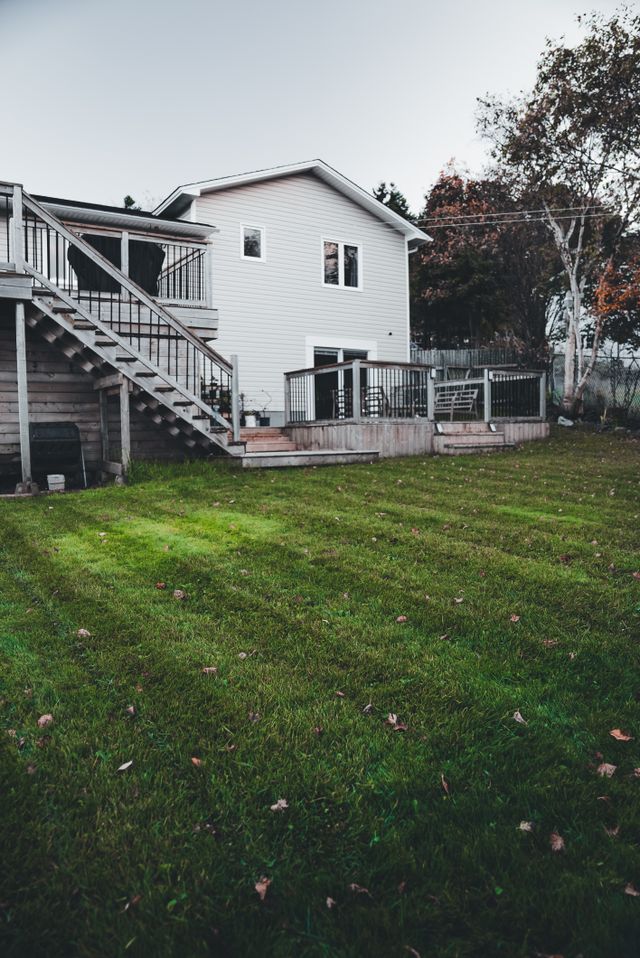
A backyard deck can be one of the most enjoyable features of a home, providing a place to relax, entertain, and spend time outdoors. However, exposure to Ohio’s changing seasons can gradually take a toll on deck materials and structural components. Performing a simple visual inspection at least once a year can help identify concerns before they become costly repairs or safety hazards.
Start with the Overall Structure
Begin by walking around the deck and looking at it from several angles. Pay attention to any noticeable sagging, leaning, or uneven areas. A deck should appear level and stable. If sections seem to be shifting or settling, further evaluation may be needed.
While standing on the deck, walk across the surface and note any excessive movement or bouncing. A small amount of flexibility can be normal, but significant movement may indicate weakened framing or connection issues.
Check the Deck Boards
Inspect the walking surface for cracked, split, warped, or rotting boards. Wood deterioration often begins in areas that remain damp for extended periods. Gently prod suspicious areas with a screwdriver. Soft wood that can be easily penetrated may indicate decay.
Also look for loose or protruding nails and screws. Fasteners that have worked their way out over time can create tripping hazards and should be addressed promptly.
Examine Railings and Stairs
Deck railings play a critical role in preventing falls. Firmly grasp the railings and apply moderate pressure. They should feel solid and secure with minimal movement.
Next, inspect stair treads, risers, and handrails. Look for loose boards, damaged steps, or signs of deterioration. Stairs often experience heavy use and may show wear sooner than other portions of the deck.
Look at the Hardware
Metal connectors, bolts, brackets, and fasteners should be free from significant rust, corrosion, or damage. Moisture exposure can cause hardware to weaken over time, especially on older decks.
Pay particular attention to connection points where framing members meet. Missing fasteners or visibly deteriorated hardware should not be ignored.
Inspect the Ledger Board Area
One of the most important components of an attached deck is the ledger board, which connects the deck to the home. If accessible, look for signs of water damage, rot, or separation where the deck meets the house.
Because failures in this area can lead to serious structural problems, any concerns should be evaluated by a qualified professional.
When to Call a Professional
A homeowner’s inspection is valuable, but it has limitations. Professional evaluation is recommended when any of the following conditions are observed:
- Significant movement, sagging, or instability
- Rot affecting structural components
- Loose or failing railings
- Extensive corrosion of hardware
- Cracks in support posts or beams
- Signs that the deck is pulling away from the home
- Uncertainty about the deck’s overall condition
A Small Investment of Time Can Improve Safety
A brief annual deck inspection can help uncover developing issues before they become major concerns. By checking the structure, walking surfaces, railings, stairs, and connections, homeowners can gain a better understanding of their deck’s condition and address problems early. When structural concerns are present, bringing in a qualified professional is the safest course of action and can provide valuable peace of mind for everyone who uses the deck.