
Why Humidity Matters More Than You Think
Humidity doesn’t just affect comfort—it quietly influences the condition of nearly every material inside a home. Wood, drywall, insulation, and even fasteners respond to moisture in the air. Too much or too little can gradually lead to problems that aren’t always obvious until damage is underway.
A well-balanced indoor environment helps preserve structural components, improves air quality, and keeps mechanical systems operating efficiently. The goal is consistency, not extremes.
What’s the Ideal Range?
Most homes perform best when indoor relative humidity stays between 30% and 50%. This range minimizes stress on building materials while also discouraging mold growth and excessive dryness.
Seasonal changes play a role. In colder months, slightly lower humidity can help prevent condensation on windows and within wall cavities. In warmer months, keeping humidity from climbing too high reduces the risk of moisture-related deterioration.
When There’s Too Much Moisture
High humidity often shows up in subtle ways first—musty odors, fogged windows, or a persistent damp feeling. However, the effects become more serious over time.
Excess moisture can:
- Promote mold and mildew growth
- Cause wood flooring to swell or cup
- Lead to peeling paint and warped trim
- Accelerate corrosion of metal components
- Encourage pests that thrive in damp conditions
In some cases, moisture can migrate into hidden areas like attics or crawl spaces, where it contributes to rot and insulation damage long before it’s noticed.
When the Air Is Too Dry
Low humidity brings a different set of challenges. Dry air pulls moisture from materials, often causing them to shrink or crack.
Common signs include:
- Gaps in hardwood floors
- Cracked trim or cabinetry
- Static electricity buildup
- Drywall seam separation
While these issues may seem cosmetic at first, repeated seasonal expansion and contraction can weaken joints and finishes over time.
Finding the Balance
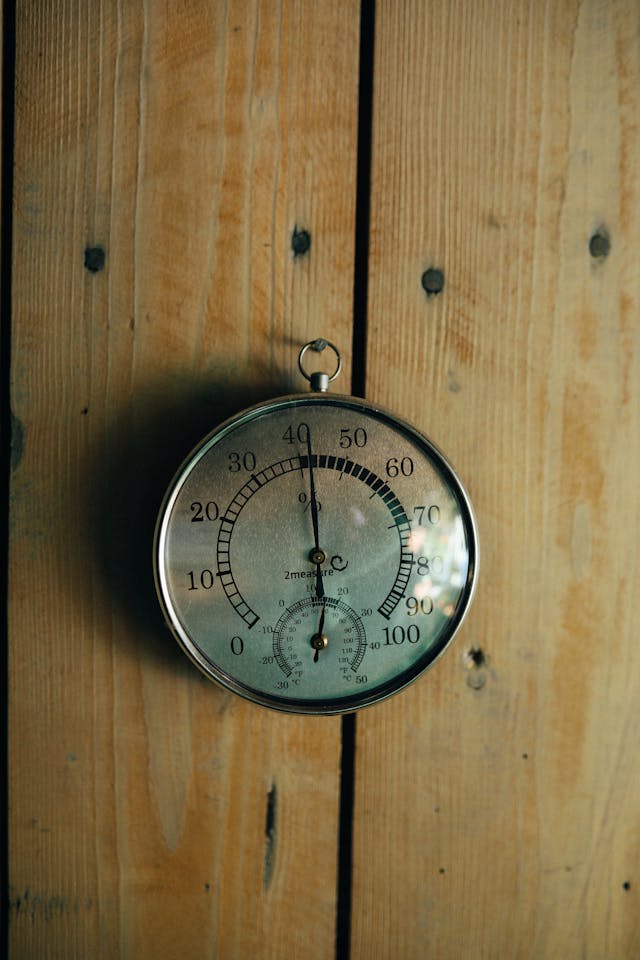
Achieving the right humidity level doesn’t require guesswork. A simple hygrometer can provide reliable readings throughout the home. From there, adjustments can be made with practical solutions.
To reduce humidity:
- Use exhaust fans in kitchens and bathrooms
- Ensure proper attic and crawl space ventilation
- Consider a dehumidifier in damp areas
- Address any leaks promptly
To increase humidity:
- Use a humidifier during dry seasons
- Avoid overusing heating systems that dry the air
- Add moisture through everyday activities like cooking (with proper ventilation balance)
A Whole-Home Perspective
Humidity control works best when approached as part of the entire home system. Insulation, ventilation, and air sealing all play a role. When these elements are working together, maintaining stable humidity becomes much easier—and more effective.
Keeping an eye on moisture levels isn’t just about comfort. It’s about protecting the investment, extending the life of materials, and avoiding preventable repairs. A small adjustment in humidity today can make a noticeable difference in how a home holds up over time.